Recommended
Lemosho Route
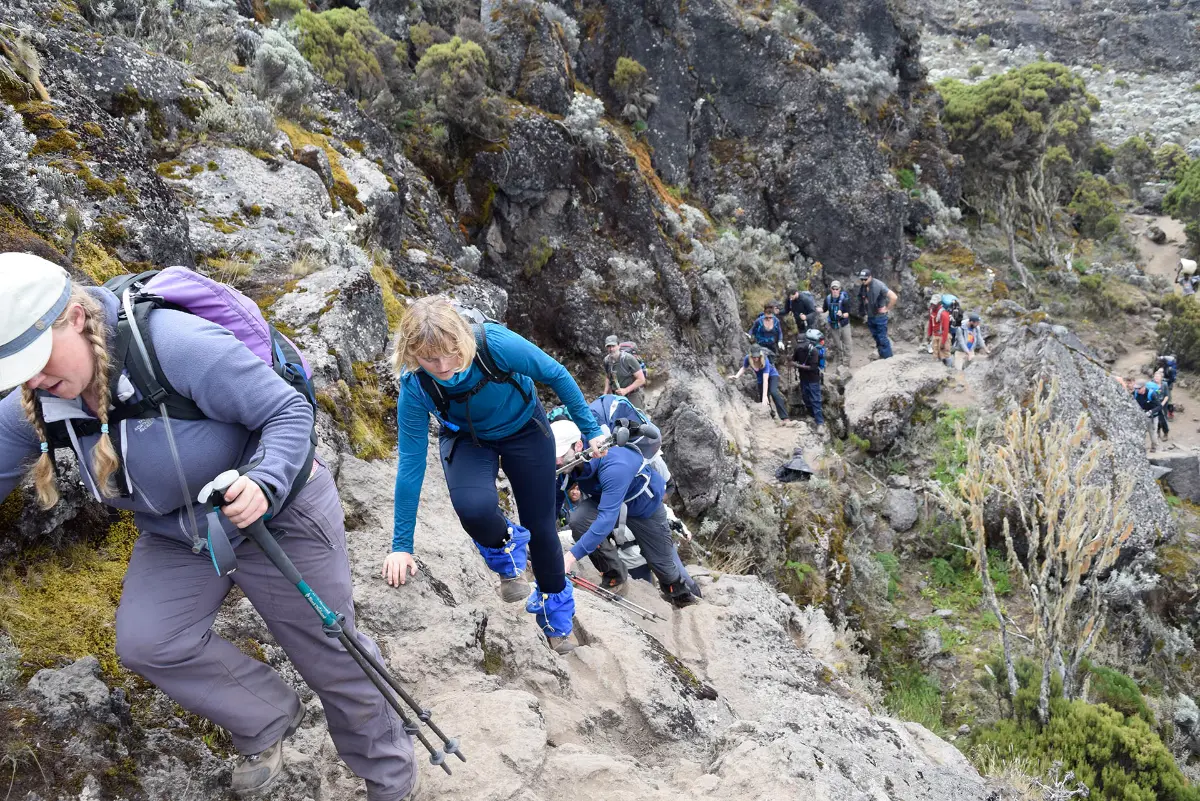
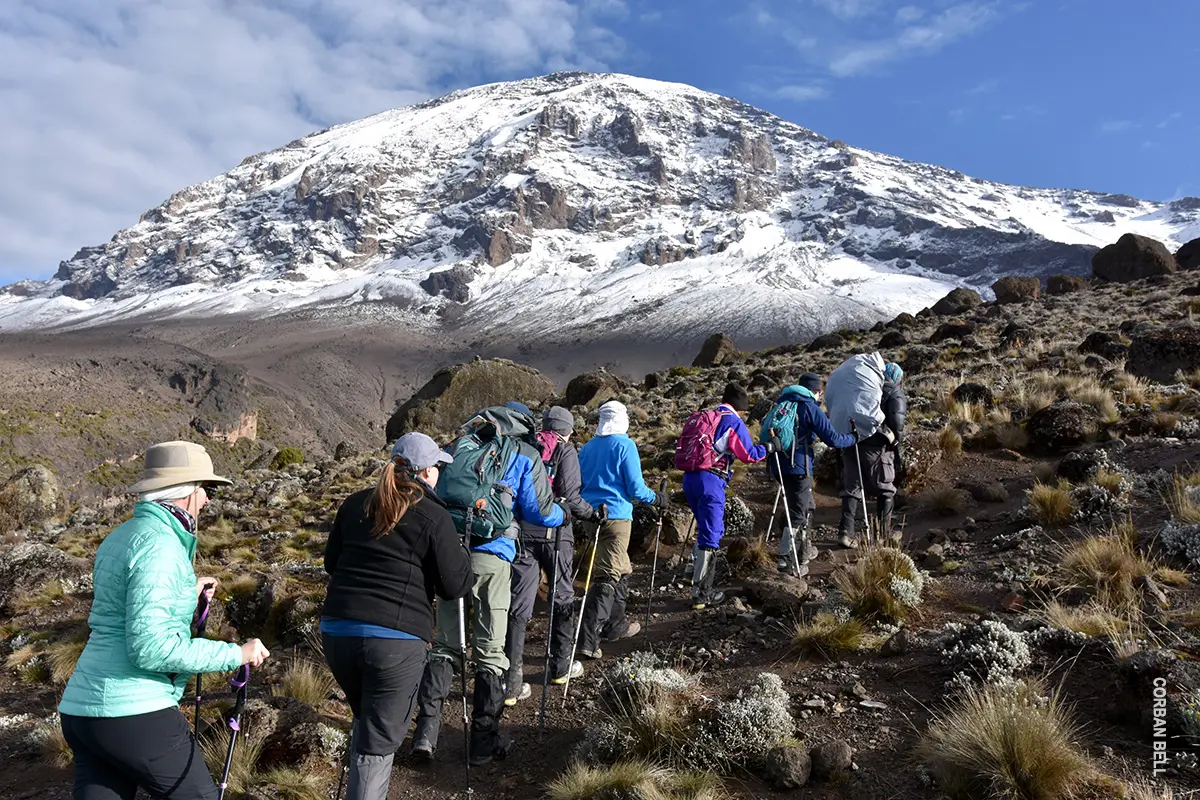
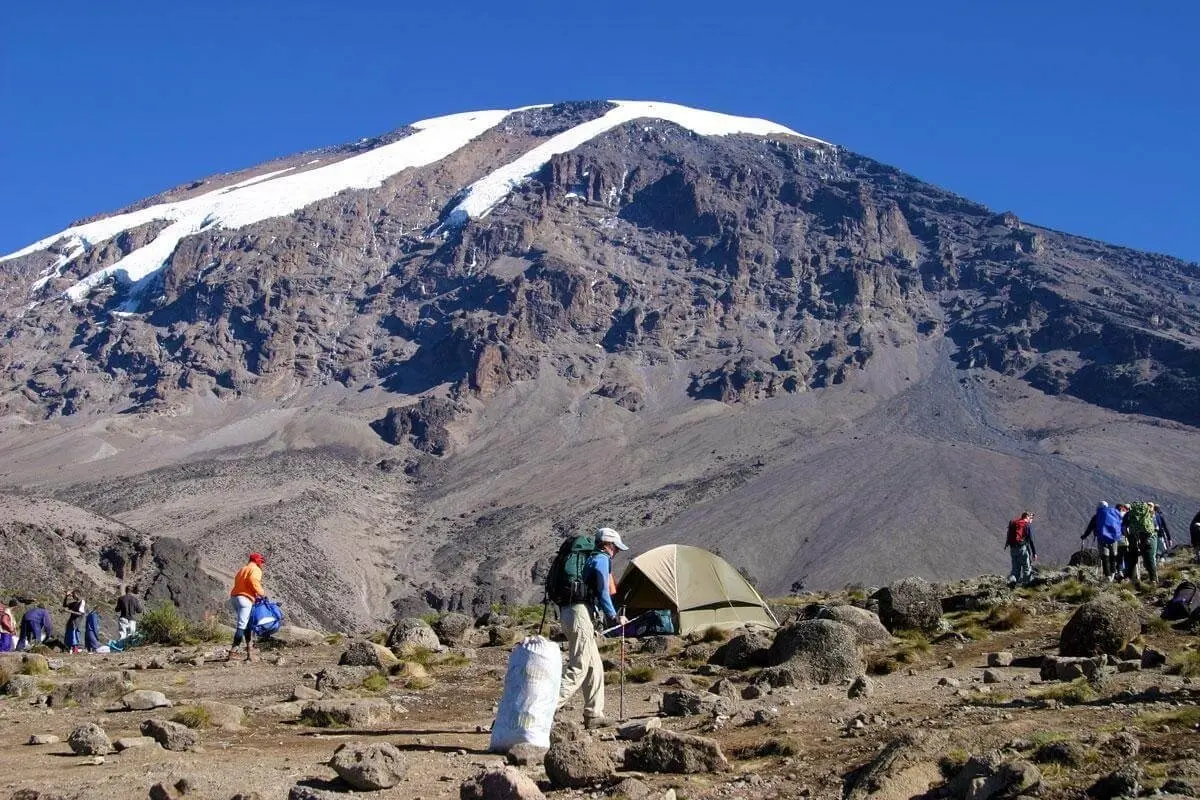
Approaches from the west across the Shira Plateau. Fewer trekkers, superb scenery and a profile that gives your body time to adjust.
Mount Kilimanjaro · 5,895 m
Climb Kilimanjaro with experienced guides and carefully planned mountain adventures. Six routes, honest advice on which one suits you, and a crew that looks after you all the way up.
Climbing with Kori
Kilimanjaro needs no ropes or technical skill. What it needs is time to acclimatise, a crew that watches you closely and a route chosen for the way you walk.
Every Kori climb is led by a trained, certified and experienced English-speaking mountain guide, supported by porters, a cook and a tent crew. We carry emergency oxygen and a medical kit, and carry out twice-daily health checks with a high-grade oximeter so small problems stay small.

Six ways up
Longer routes mean better acclimatisation and a higher chance of standing on Uhuru Peak. If you can add a day, add it.
Recommended
Approaches from the west across the Shira Plateau. Fewer trekkers, superb scenery and a profile that gives your body time to adjust.
The 'Whiskey Route' — a scenic, popular climb with a classic climb-high-sleep-low day past Lava Tower and the Barranco Wall.
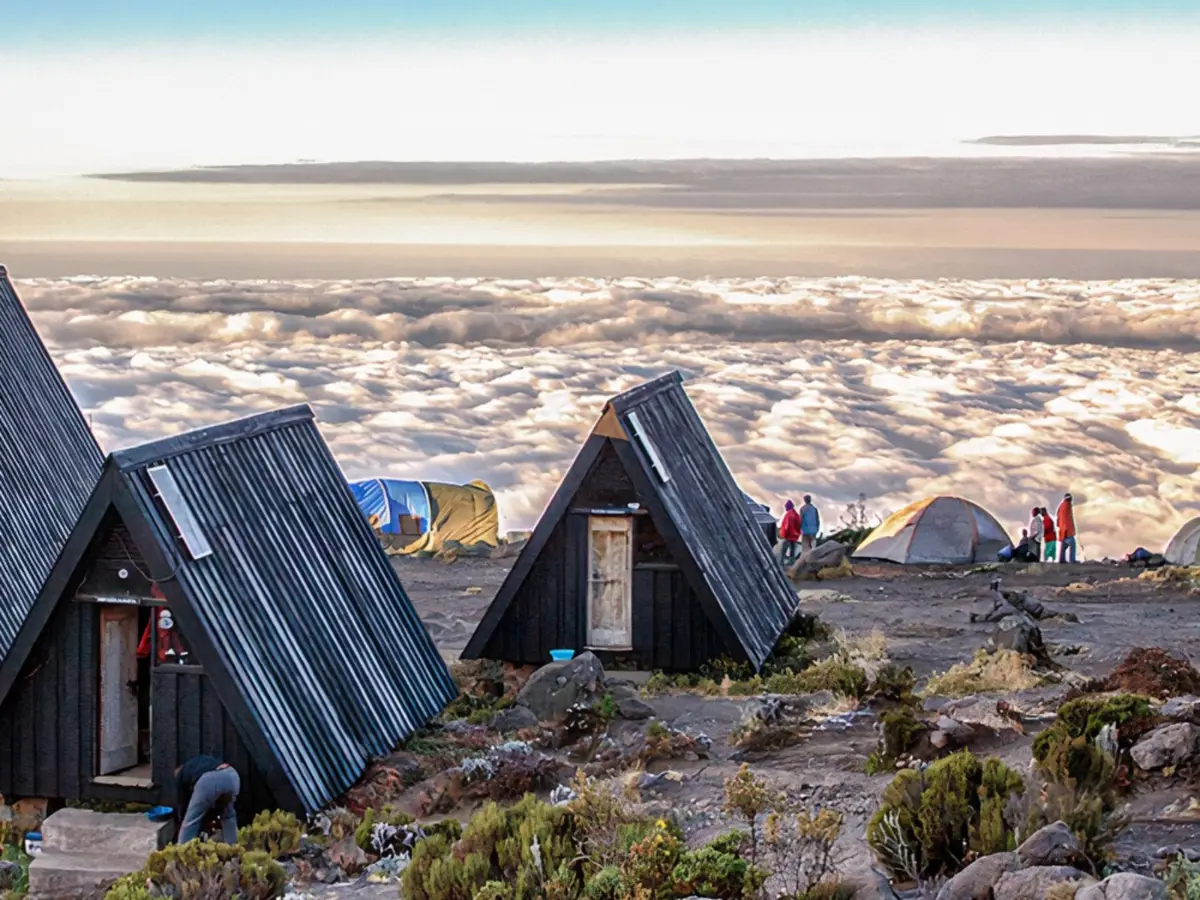
The only route with hut accommodation. Gentler gradients and the same path up and down; best with an extra acclimatisation day.
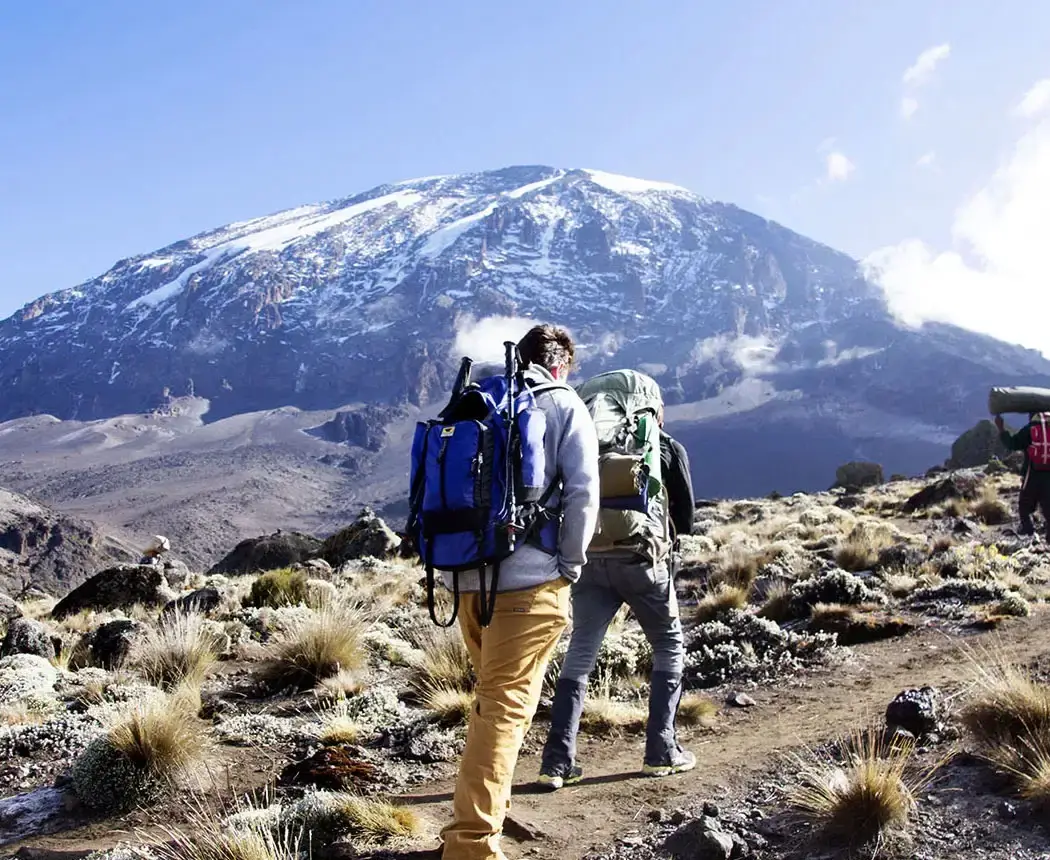
Starts near the Kenyan border on the drier northern side — quieter trails, a wilderness feel and a good choice in the rainy months.
Best Acclimatisation
The longest route on Kilimanjaro, circling the quiet northern slopes. Excellent acclimatisation and views nobody else gets.
Short, steep and direct. For experienced, well-acclimatised trekkers who want the most demanding line to the summit.
On the mountain
Trained, certified and experienced English-speaking mountain guides, with assistant guides on larger groups.
Twice-daily health checks with a high-grade oximeter, emergency oxygen and a full medical kit on every climb.
Shared sleeping tents, a dining tent, toilet tents and a cook who serves hot meals at every camp.
Porters carry no more than 15 kg. Our crews are Tanzanian, paid fairly and equipped properly.
Park fees, permits, rescue fees, transfers from Moshi and the pre-climb briefing and gear check.
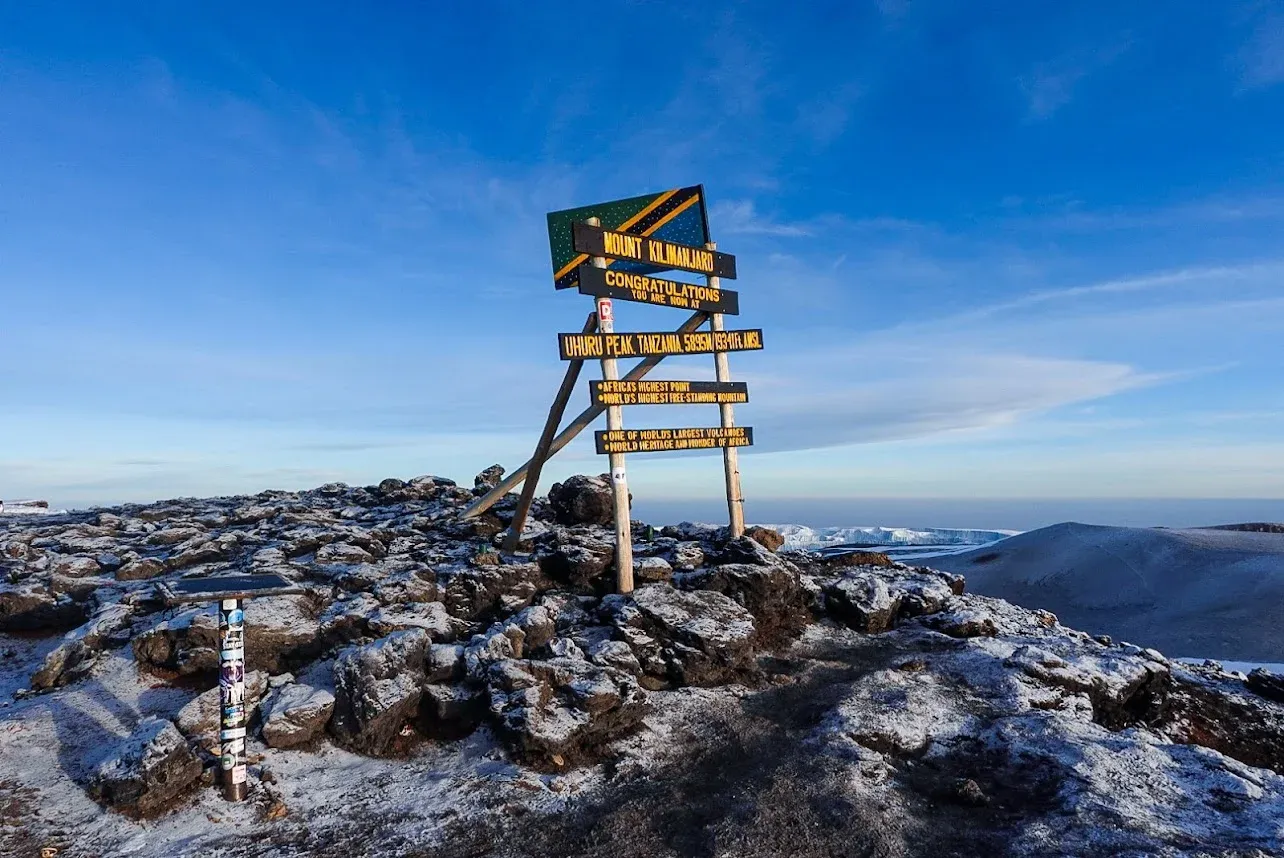
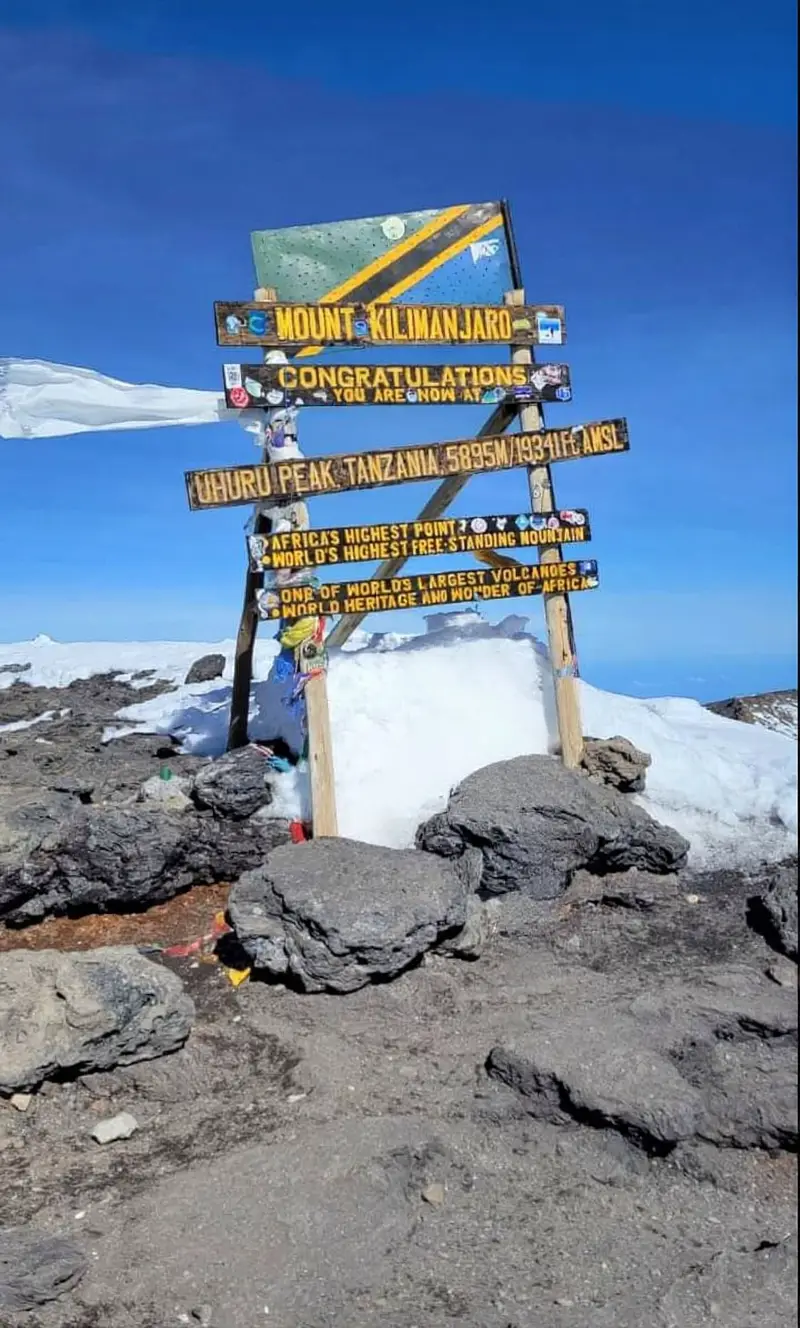
Early dinner, a midnight start, a slow steady pace and a sunrise from Stella Point you will not forget.

Mount Meru · 4,566 m
Tanzania's second-highest mountain rises inside Arusha National Park. A three- or four-day climb with giraffe and buffalo on the lower slopes, a spectacular crater rim and a summit that looks straight across at Kilimanjaro.
Many climbers do Meru first to acclimatise — it makes a real difference on Kilimanjaro a few days later. An armed park ranger accompanies every Meru trek.
Enquire about MeruKilimanjaro FAQs
Comfortable walking 5–7 hours a day on consecutive days, with one very long summit night of 10–14 hours. Regular hill walking in the months before your climb is the best preparation. Altitude, not fitness, is what turns most people back — which is why route length matters.
The driest, clearest months are January to early March and June to October. The rainy seasons (late March to May, and November) are quieter and still climbable, especially on the Rongai Route.
Layered clothing for tropical rainforest through to −15 °C on summit night, a warm sleeping bag, broken-in boots, a headtorch and trekking poles. We send a full packing list when you book and check your gear at the briefing; some items can be hired in Moshi.
Tips for your crew, drinks and alcohol, international flights, insurance and visas, personal items, and water on day one. Metal or hard-plastic water bottles are not provided.
Yes — most of our climbers add a few days on the northern circuit or a week on Zanzibar afterwards. Tell us in the planner and we will build the whole trip.
Tell us your dates and how many days you can spare. We will recommend a route and send a full itinerary with a quotation.